Arriving in Vietnam After Midnight: Match Your Visa Dates to Local Time
Plan an overnight arrival in Vietnam with a local-date worksheet, a sensible delay check and a clear separation between flight dates and visa validity.
Published · Updated · VVE — private application assistance
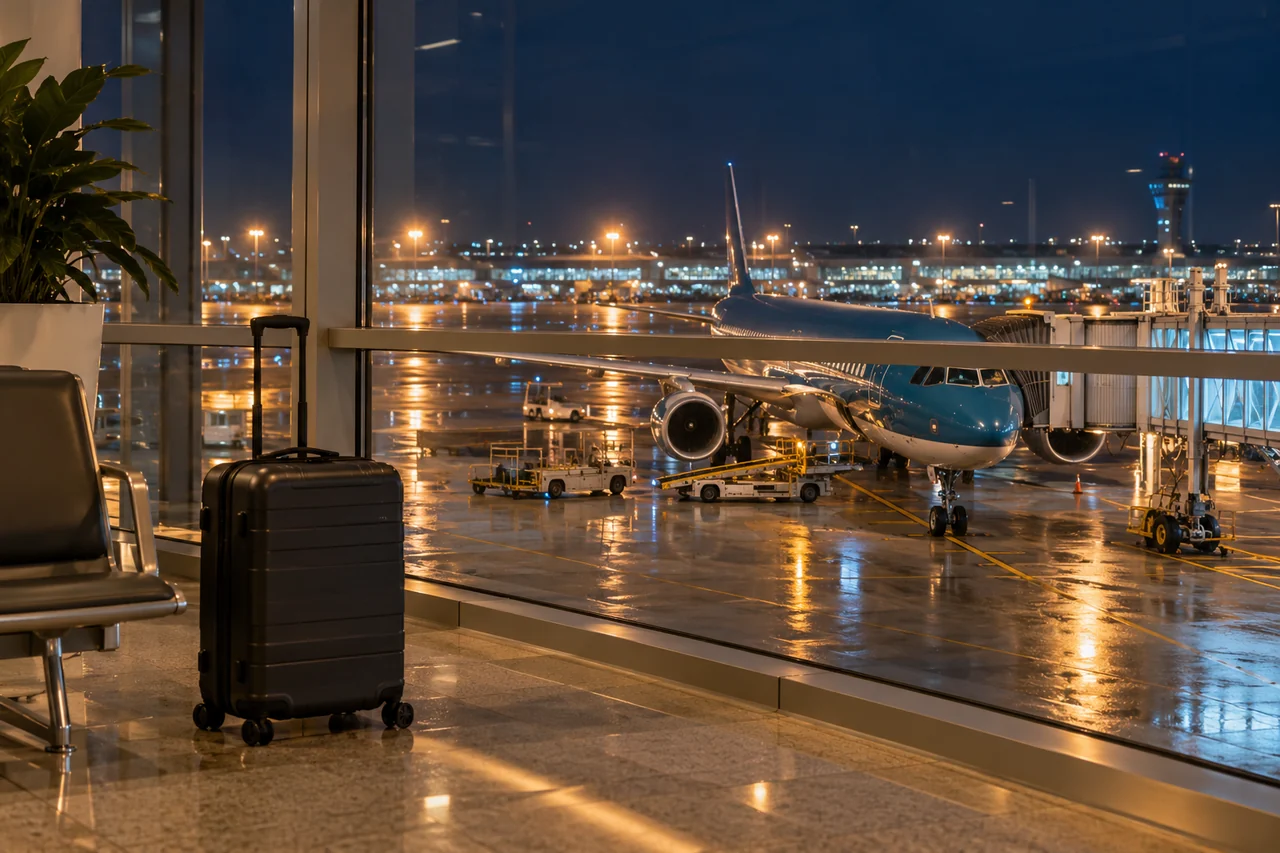
An overnight flight can leave on one calendar date and reach Vietnam on another. When planning an eVisa application, work from the arrival date at the Vietnamese destination, then compare it with the permission you actually receive. A departure date in your home country is not a useful substitute for that check.

This article is a planning method for midnight arrivals. It does not predict the moment an immigration officer will examine your documents or establish an exception to a visa condition. If a journey sits close to a validity boundary, ask the responsible authority and airline about the specific itinerary before committing to it.
Make a two-line itinerary before entering dates
Copy the departure airport, local departure date and time onto the first line. On the second line, record the Vietnamese arrival airport and the arrival date shown on the ticket. Include any “next day” indication. Keep the airline's original itinerary beside this worksheet so that a simplified travel app does not become the only record.
Do this for the final international sector into Vietnam. A connection may mean that the first flight in the booking leaves much earlier, and the date beside the booking reference may describe the beginning of the entire journey. The relevant planning question is when that route reaches its Vietnamese entry point.
A simple overnight example
Imagine a ticket that departs on 24 October and shows arrival at 00:40 on 25 October. The planning worksheet should say “Vietnam arrival: 25 October.” It should not say 24 October merely because the traveller boards the first aircraft that evening. These dates are a fictional example, not a recommendation to select a particular validity period.
Now imagine the airline changes the arrival to 23:30 on 24 October. That creates a different date question even though the trip feels almost identical. Keep both ticket versions until the new itinerary has been checked against the issued document. A timetable update does not itself rewrite a visa.
Check the issued document rather than the requested period
After a decision, read the actual validity information and the identity details on the issued eVisa. The official Vietnam Immigration portal directs applicants to the current government eVisa domains for applications and results. Use that verified route instead of treating a payment email or an agent's message as the permission itself.
Compare the document with the flight you intend to take. If a date is unclear, ask a precise question: “My itinerary shows arrival on this local date; does this document cover that journey?” Do not ask a helper to guess whether a few hours will be ignored. Keep any official response with the travel record.
Leave room to react to changes
When considering flexible flights, compare the consequences of an earlier arrival, a later arrival and a missed connection. This is a booking decision, not a suggestion that a longer validity period will necessarily be granted. Think about what you would do if the revised itinerary no longer fits the permission available.
A useful decision sheet has three columns: current itinerary, possible change and person to contact. The airline answers its boarding and ticket questions; Immigration answers visa questions. A hotel can help with a late check-in arrangement, but its booking confirmation cannot settle the visa issue.
Before you leave for the airport
- Reopen the latest itinerary and check the arrival date at the Vietnamese airport.
- Compare the issued document with that itinerary, including any new connection.
- Keep an offline copy of the document and the airline confirmation in separate safe places.
- Record the unresolved question and the authority or carrier responsible for answering it.
Avoid making this a last-minute search through group messages. One short worksheet is easier to review than a series of screenshots without dates. If a mismatch remains unresolved, make the travel decision before heading to check-in rather than relying on an informal assurance.
Ask VVE about private application assistance
For help organising the application question, contact VVE on WhatsApp or email info@vietvisaeasy.com. Start with the general situation and intended route; do not send passwords, payment codes or private documents in an initial public message. VVE is an independent assistance business, not Vietnam Immigration. Official decisions, admission and processing outcomes remain with the competent authorities. You can also apply personally through the official Vietnam eVisa portal. Any privately quoted assistance charge is separate from a government charge. Read about VVE and our privacy policy before sharing personal information.
Continue planning
Sources and review date
Information reviewed 17 October 2026. The Immigration Department’s current portal notice was checked for the application and result addresses cited here. Recheck the live official instructions before relying on them for travel. The examples are a planning method, not an official interpretation of a validity boundary.